
Quick answer
In Letter 13 to Lucilius, Seneca says we suffer more often in imagination than in reality. He means that we can start reacting to a feared outcome before we know it will happen. His advice is to examine the evidence, prepare if there is something useful to do, and stop treating a prediction as a report.
At 10:40 p.m. you see a message from your manager: “Can we talk tomorrow?” By 11:00 you have lost your job, worked out how to tell your family, and replayed the meeting twice. The message hasn't changed. What changed is how much of the future you supplied.
Where does the quote come from?
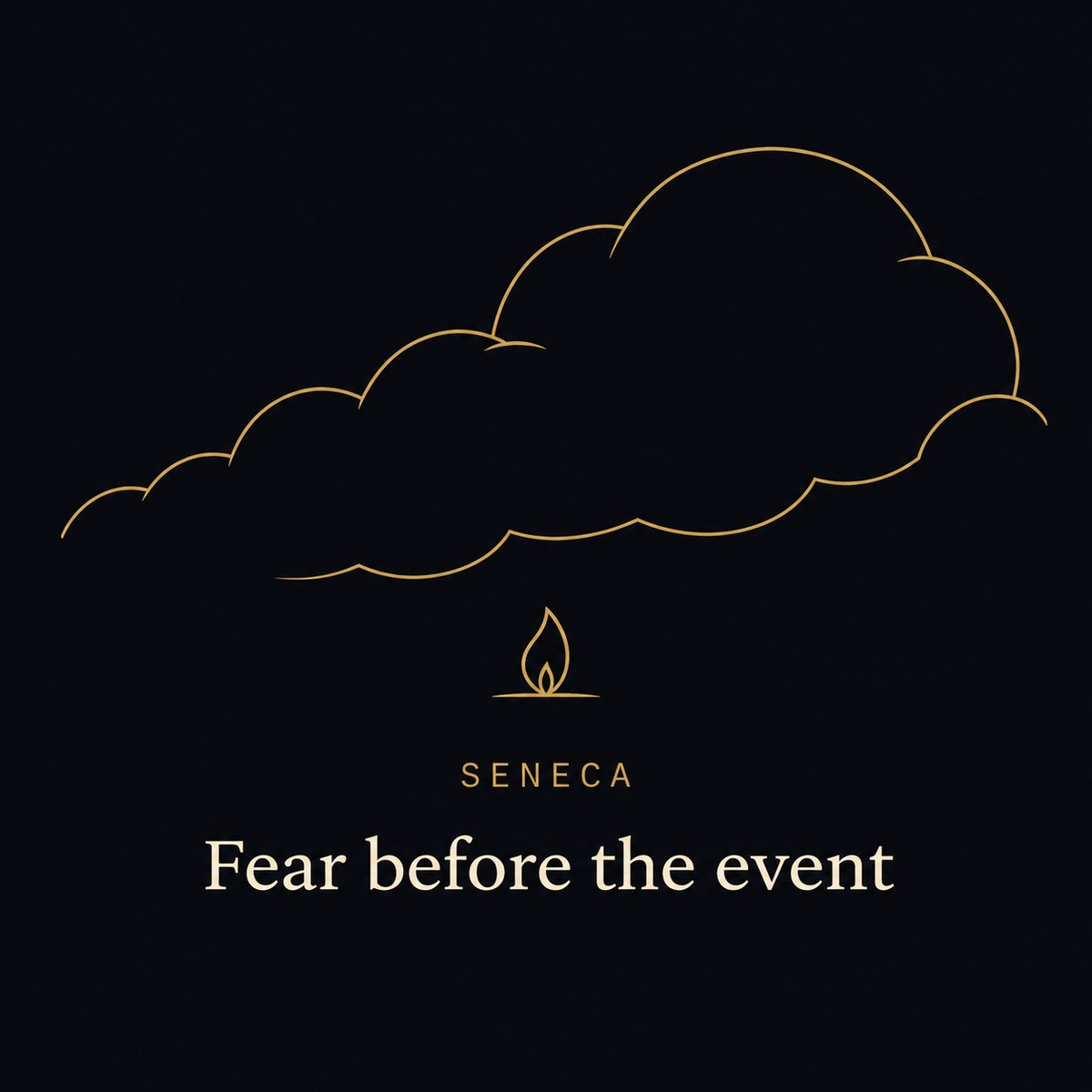
The source is Seneca's thirteenth letter to Lucilius, section 4. In Richard Mott Gummere's English translation, it reads: “we suffer more often in imagination than in reality.” The common version drops often. Keep it if you are quoting Gummere. Seneca is talking about how frequently we get ahead of events. He isn't saying that imagined trouble always hurts more than real trouble.
The letter is addressed to a friend who has already faced setbacks. Seneca acknowledges that history before turning to fear. That matters. If you have been burned before, an alarming possibility can be perfectly intelligible. The question is what your earlier experience establishes about this situation, with these people, on this particular day.
A few lines later he explicitly recommends distinguishing what is happening from what might happen. His examples include rumors and an ambiguous remark. Both give the mind something to work with, but neither necessarily warrants the conclusion it reaches. Read who Seneca was for the historical setting, or start with the letter itself. It is short enough to read in one sitting.
What does “in imagination” mean?
Imagination lets you picture outcomes beyond the present. You use it to plan a trip, anticipate costs, and work out what another person might need. The problem starts when the details of a forecast make it feel confirmed. You can picture the firing meeting down to where everyone sits without having learned anything new about the manager's message.
Notice what slips into the grammar. “I might lose this job” is a possibility. “I'm going to lose this job” sounds like news. “I always ruin my chances” adds a judgment about your whole character. These statements have different burdens of proof, even if they arrive in a rush and feel like one thought.
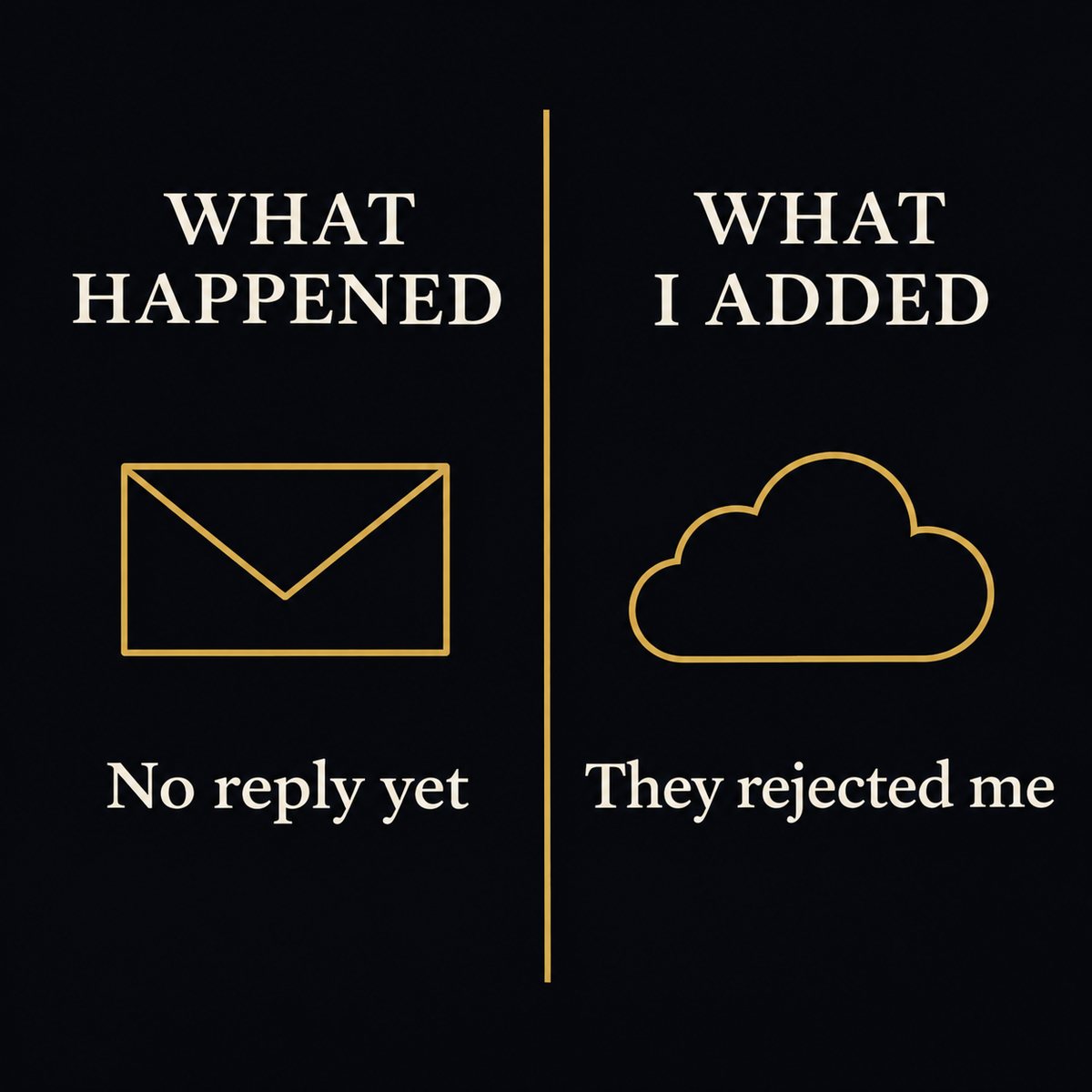
A friend hasn't answered. You can observe the gap. You cannot yet observe a rejection. That distinction may leave you uncomfortable, because it leaves an open question where the worst-case story offered an answer. Let the question stay open. You can still decide how long to wait and when to check in.
How to apply Seneca's advice in three minutes
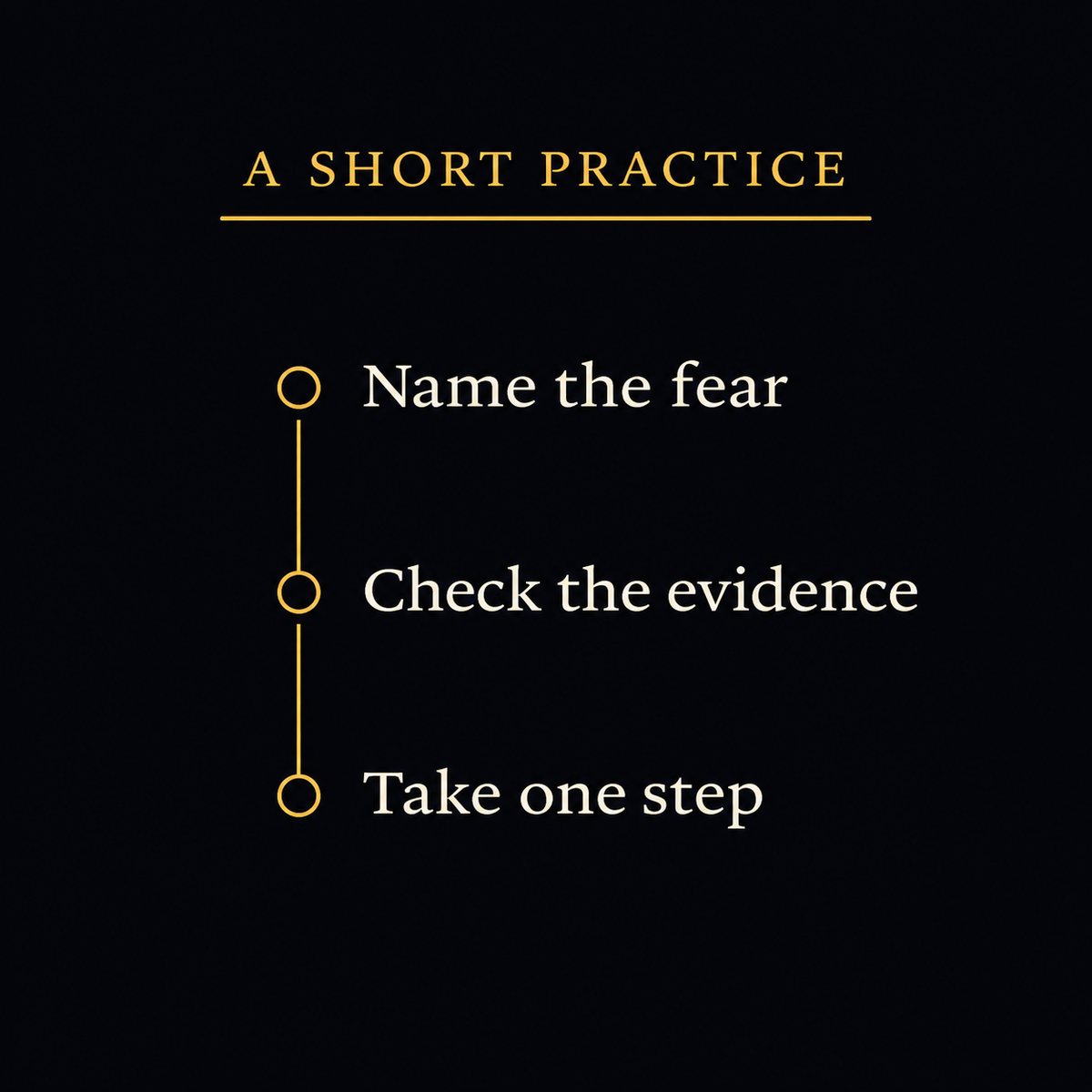
1. Write the event in terms another person could verify
Use one sentence. “My manager asked to speak tomorrow and didn't give a reason.” Leave the tone and motive in a separate line unless they were explicitly stated. If the facts really are bad, write those down too. An actual missed deadline belongs on the page; you gain nothing by making the record sound nicer than it is.
2. Write the conclusion you added
“They've decided to fire me.” What supports that? What doesn't? A written warning is relevant evidence. A habit of sending short messages is relevant too. You don't need to invent an optimistic answer to balance a pessimistic one. “I don't know yet” is a useful result when the facts do not settle the question.
3. Choose one action that makes sense while you wait
You could ask if there's anything to prepare, collect the project notes, or arrange to speak first thing in the morning. Choose an action whose usefulness doesn't depend on the most frightening version being true. Then set a time to check again. Once you've done the next useful thing, running the meeting for a third time in your head does not make it any more scheduled.
When should you take a fear seriously?
When it points to a real hazard or to a responsible action you can take now. If you smell smoke, leave and seek help. If the office announced layoffs and gave you a meeting with HR, preparation makes sense. Seneca's distinction still helps: you can prepare for a possibility while remaining clear about what has and hasn't been confirmed.
A useful test is whether more thinking changes your action. Suppose you are waiting on an important medical result. Calling about the expected turnaround time might help. Writing down questions for the doctor might help. Guessing what an unfamiliar phrase on the appointment portal means is unlikely to give you a diagnosis. If you develop a symptom your care team told you to report, call; the exercise is never a substitute for their instructions.
And sometimes your fear has a history you cannot resolve by reasoning on the spot. If worry repeatedly takes over sleep, work or ordinary decisions, consider talking to a qualified mental health professional. A passage from Seneca can be a useful prompt alongside care. It cannot tell you why you are struggling or which treatment fits.
Isn't this the opposite of negative visualization?
It can sound that way. The Stoic exercise often called premeditatio malorum asks you to consider a difficulty in advance. In Letter 13, Seneca asks you to stop suffering in advance. Both can make sense once you ask what the thinking is for.
Imagine you expect to speak at a meeting and someone may challenge your numbers. A deliberate rehearsal might lead you to bring the underlying figures and decide how you'll respond if you don't know an answer. You then put the notes down. A loop might have you picturing colleagues mocking you and replying with better lines every time. You reach the same fear, with no new information and nothing further to prepare.
Preparation has a stopping point. It might be a completed checklist, a conversation or a clear decision to revisit the question when you know more. If a planned reflection regularly leaves you more upset and makes it harder to function, stop and choose a different exercise. Our guide to negative visualization gives examples with defined starting and stopping points.
Two ways to practice on an ordinary day
Before opening a reply: write down what you think it will say and what you would do if the answer were negative. Read it once. Compare what you expected with what the sender actually wrote. Over time, this can show where you consistently supply a harsher tone or a more definite outcome than the facts justify.
At the end of a long day: choose one unfinished worry. Ask whether it needs a decision tonight. If it does, decide on the next action. If it doesn't, write where and when you'll return to it. “Check at 9 when the office opens” gives you somewhere to put the question besides the next hour of your evening.
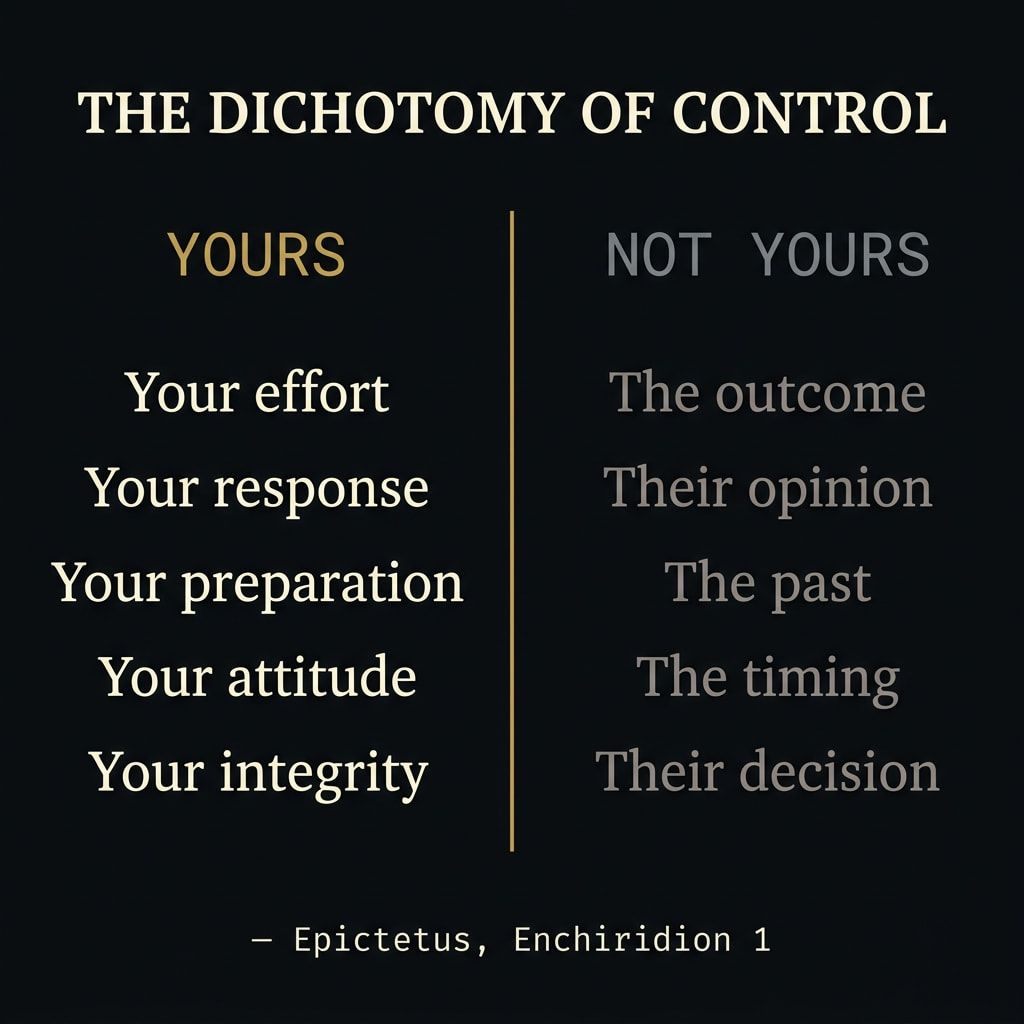
Other people may still misunderstand you. Projects may still fail. The point of the distinction is modest: carry the part of the problem you have evidence for, and give the rest only the time it needs for preparation. If you want another way to test the difference, try StoicNow's Dichotomy of Control exercise.
Frequently asked questions
Did Seneca write “we suffer more in imagination than in reality”?
Yes, the idea comes from Seneca's Letter 13 to Lucilius, section 4. In Richard Mott Gummere's translation, the line reads “we suffer more often in imagination than in reality.” The shorter version is widely repeated. If you want to quote Gummere's translation directly, include “often” and cite the letter and section.
What does “we suffer more often in imagination than in reality” mean?
Seneca is describing a habit of living through a feared outcome before you have good reason to think it will happen. He asks you to check what you actually know and decide whether there is anything useful to do now. The point is about how often we get ahead of events, rather than how painful an actual loss can be.
What if the fear is based on something that really happened?
Take the experience seriously. It may give you a reason to prepare, gather information or ask for support. Try to state exactly what it tells you about this situation and what is still uncertain. If you see evidence of immediate danger or ongoing harm, respond to it. You don't need to wait for perfect certainty before taking sensible precautions.
What's the difference between this exercise and negative visualization?
This exercise starts with a prediction you are already making and asks you to examine it. A practice of negative visualization deliberately pictures a possible setback so you can consider how you would respond. Either is more useful with a clear stopping point, such as writing down one action. Skip rehearsal if it keeps you repeating the same fear.
How do I try Seneca's advice in one minute?
Write one sentence about what happened and another about what you predict. Read them back and check which parts you can verify. Choose one action the facts support, such as asking for clarification. If there is no action to take tonight, decide when you'll check in again. The exercise is complete when you've made that decision.
Source
Seneca, Moral Letters to Lucilius, Letter 13, “On Groundless Fears”, translated by Richard Mott Gummere. The quoted sentence appears in section 4.