Quick answer
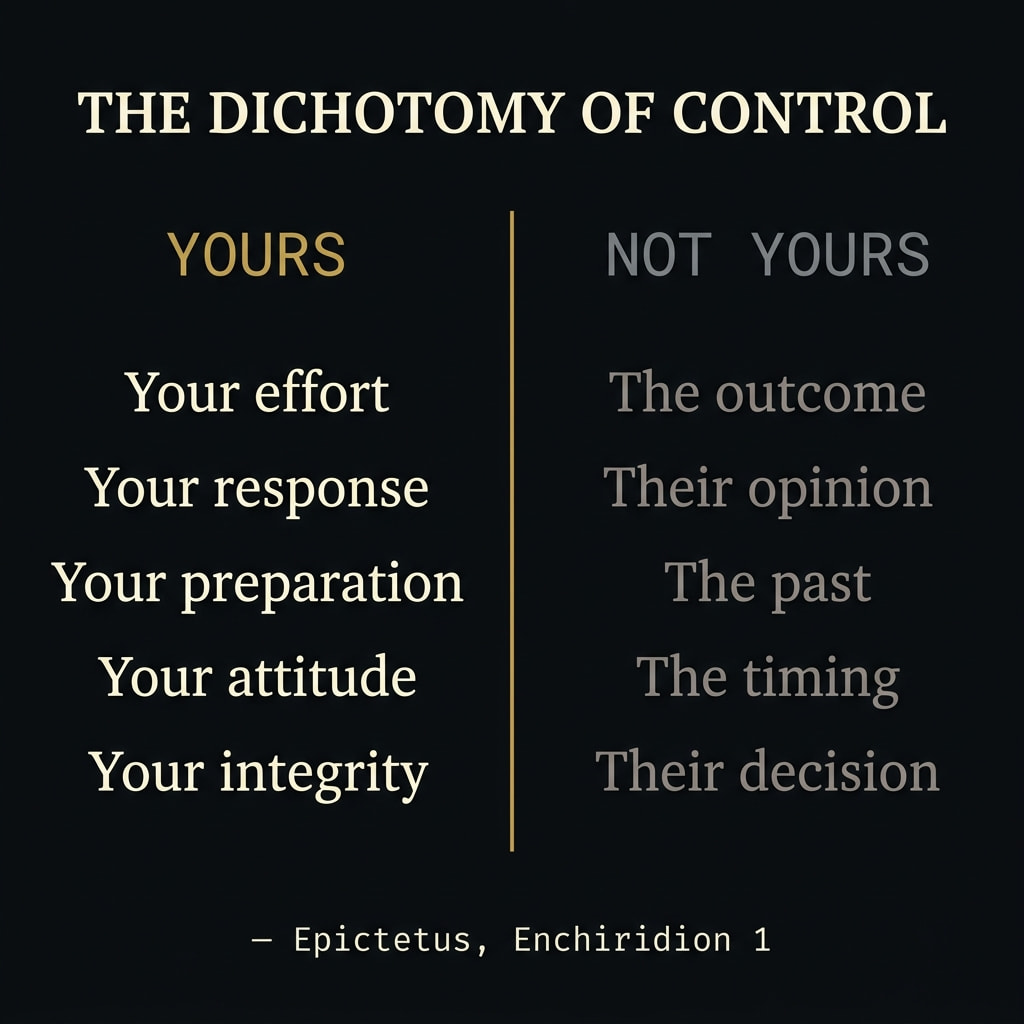
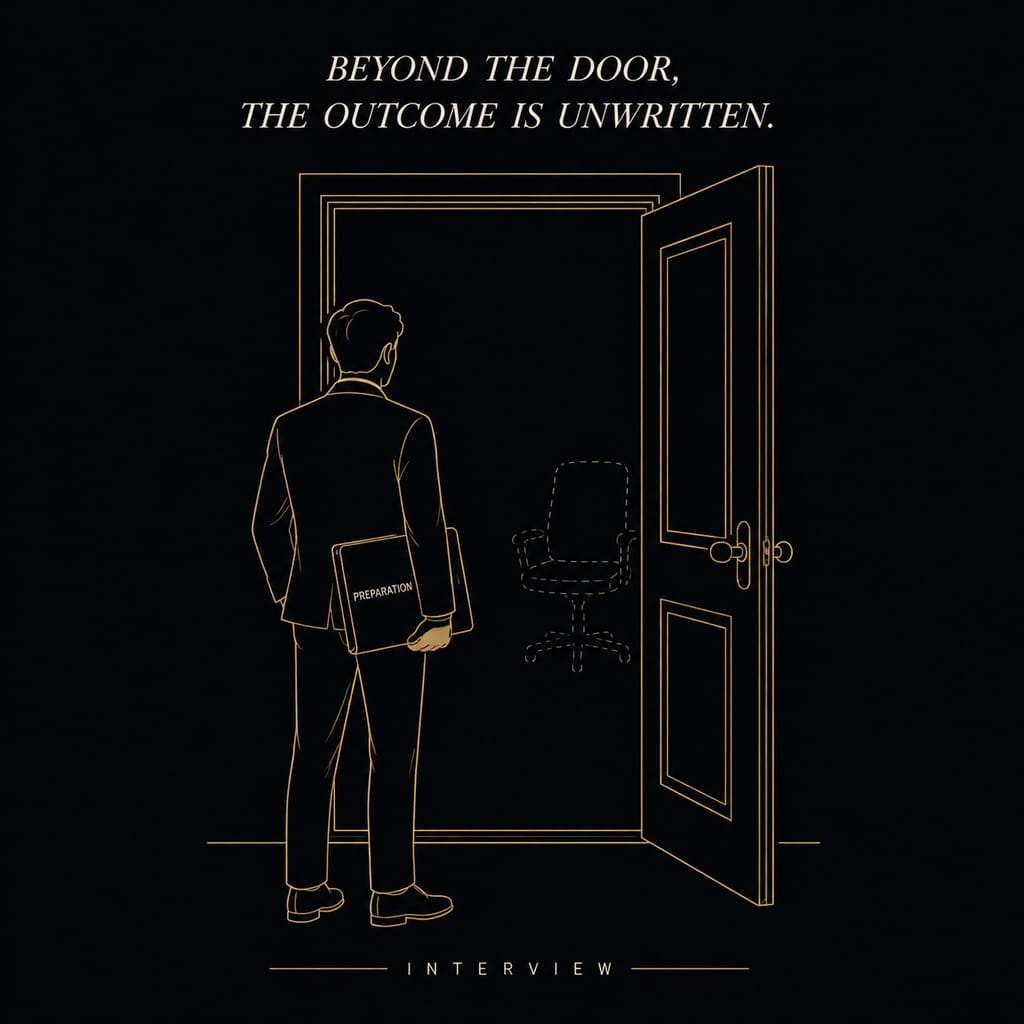
Dichotomy of control examples are situations split into two columns — what's actually yours to decide (effort, judgment, reaction) and what isn't (outcomes, other people, results). A job interview is the cleanest one: you control your preparation, not the decision.
Every Stoic exercise eventually reduces to one question, and the fastest way to learn it is through examples, not theory. Below are ten real ones — a job interview, a diagnosis, a stranger's temper — each split cleanly into what was yours and what never was. Work through a few of these and the filter starts running on its own.
The Dichotomy of Control: A 10-Second Recap
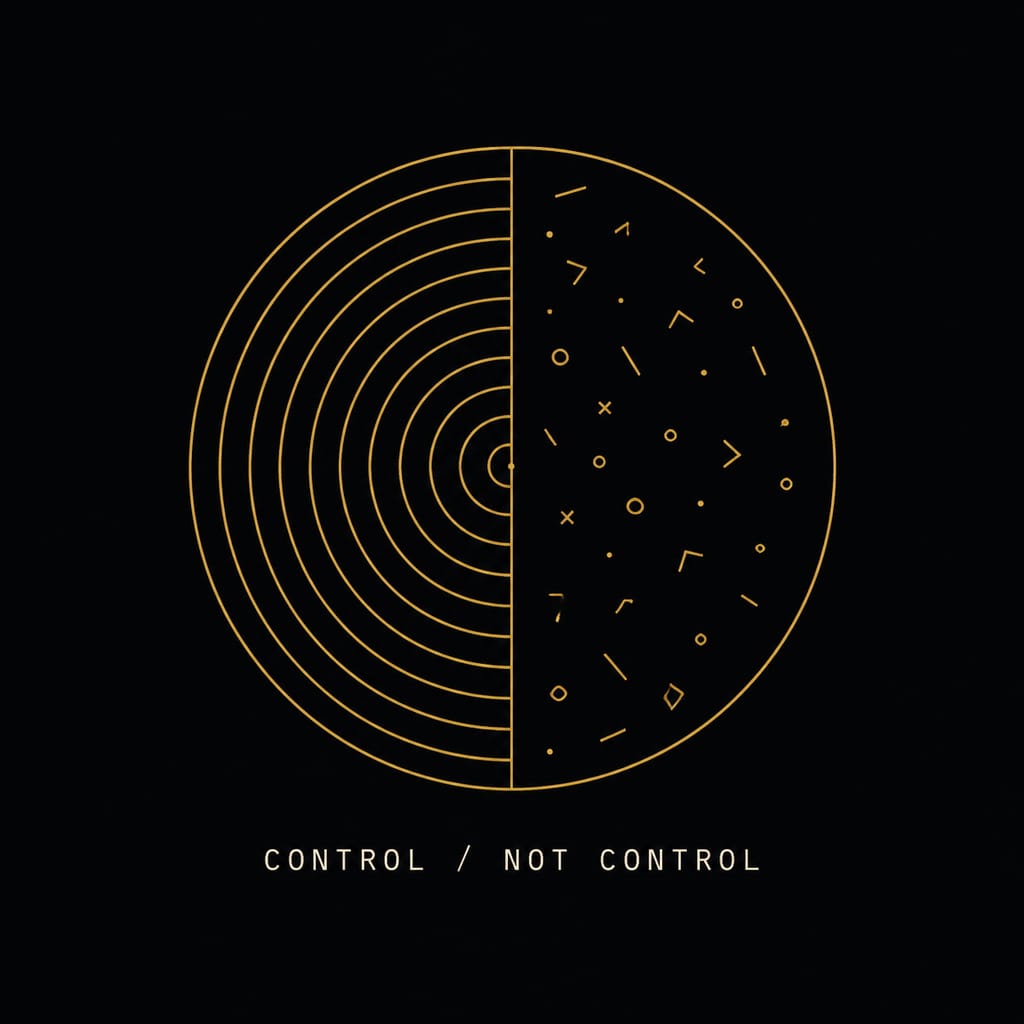
The dichotomy of control is Epictetus's claim that everything you encounter falls into exactly one of two categories: things that depend on your own choice, and things that don't. Your effort, your judgment, your honesty, and your reaction are always yours. The outcome, other people's decisions, your reputation, and your body are not — no matter how much you'd like them to be.
Stated like that, it sounds almost too simple to be useful. It becomes useful the moment you apply it to an actual Tuesday. That's what the examples below are for.
10 Dichotomy of Control Examples
Three of these are worth walking through slowly, because the split isn't always obvious on first read. The other seven are quicker, but the pattern is identical.
Example 01
A Job Interview
Example 02
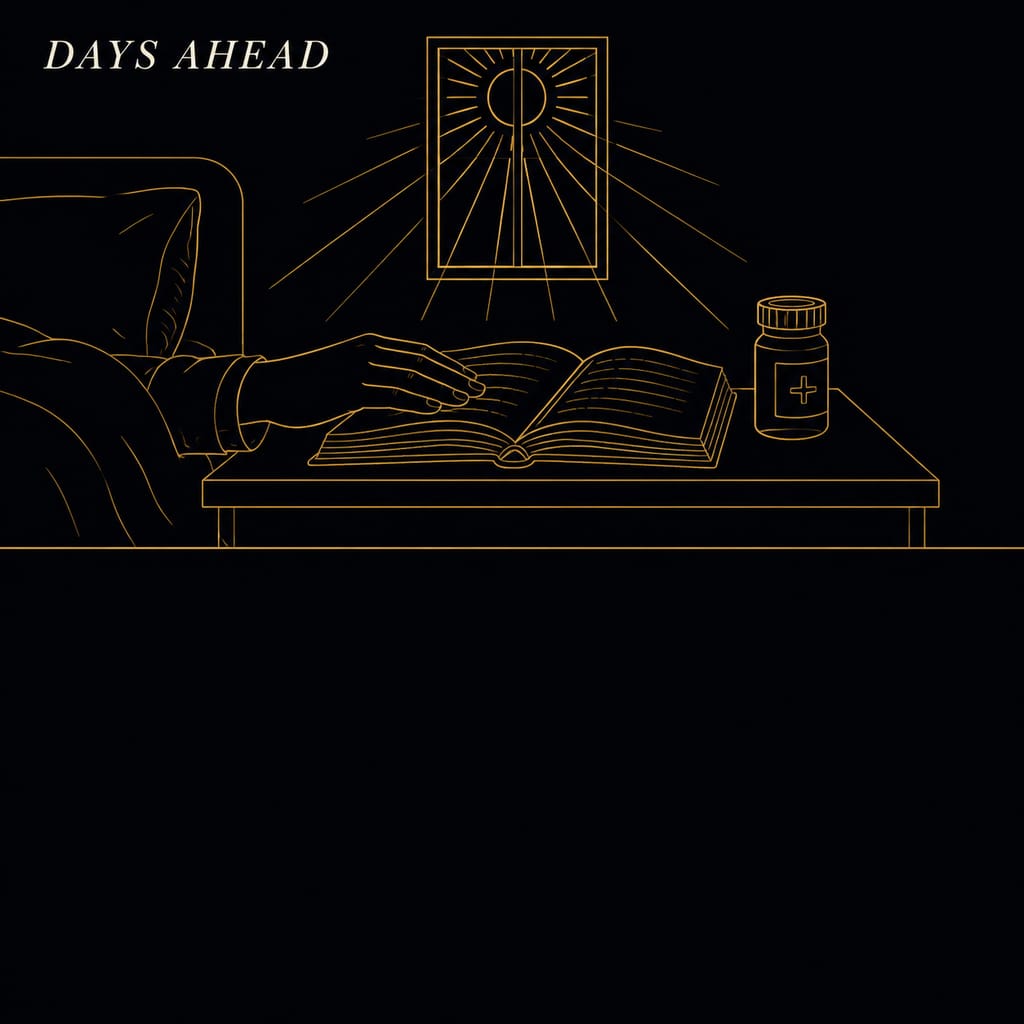
A Serious Diagnosis
Example 03
Someone Else's Anger
Seven More at a Glance
- A missed flight — Not yours: the delay, the gate agent's decision. Yours: how you use the extra hours.
- A breakup — Not yours: the other person's feelings or their choice to leave. Yours: how you treat them on the way out, and what you do next.
- A harsh performance review — Not yours: your manager's opinion of your work. Yours: whether you ask for specifics and act on them.
- Traffic before a meeting — Not yours: the accident ahead. Yours: what you listen to, whether you call ahead to say you're running late.
- A public criticism online — Not yours: the comment being written. Yours: whether you respond, and what you post next.
- A layoff — Not yours: the company's decision. Yours: how you spend the first week, who you call, what you do with your résumé.
- Weather ruining a trip — Not yours: the forecast. Yours: what you do with the day you actually got.
Notice the pattern: the "not yours" column is almost always a fact, an outcome, or another person's choice. The "yours" column is almost always an action, an attitude, or a response. That's not a coincidence — it's the entire structure of the idea.
Where This Idea Comes From
Epictetus opens the Enchiridion — his short handbook of Stoic practice, compiled by a student from his lectures — with this exact distinction, and everything else in the text builds on it:
“Of things some are in our power, and others are not. In our power are opinion, movement towards a thing, desire, aversion, and, in a word, whatever are our own acts. Not in our power are the body, property, reputation, offices, and, in a word, whatever are not our own acts.” — Epictetus, Enchiridion 1
Epictetus had unusual authority to say this. He was born into slavery and spent years without control over his own body or movements — about as extreme a test case as the idea could have. His teaching survived him because a student, Arrian, wrote it down; the version we read is closer to lecture notes than a finished treatise, which is part of why it reads so directly.
Marcus Aurelius, writing decades later and in a very different position — as emperor, with more external power than almost anyone in the ancient world — arrived at the same conclusion privately, in a journal never meant for readers:
“If thou art pained by any external thing, it is not this that disturbs thee, but thy own judgment about it. And it is in thy power to wipe out this judgment now.” — Marcus Aurelius, Meditations 8.47
A man who ruled an empire and a man who was once owned by one arrived at the identical filter. That's a reasonable argument for taking it seriously.
How to Apply the Dichotomy of Control Today
The examples above are retrospective — useful for training the eye, but life doesn't arrive pre-sorted. Here's the three-step version you can run on something happening to you right now.
- Name it. Write down, in one sentence, what's actually bothering you. Not the story around it — the specific event.
- Sort it. Draw a line down the middle of the page. Left column: what genuinely depends on your own choice. Right column: everything else, including outcomes you'd like to control but can't.
- Redirect effort. Put your attention, and your remaining energy, only on the left column. The right column gets acknowledged, not fought.
Doing this in your head works eventually, but most people need it on paper first. A dichotomy of control worksheet forces the sorting step instead of letting you skip straight to the emotion, and a short stretch of Stoic journal prompts does the same thing at the end of the day. If you're starting from zero, a broader walkthrough of how to practice Stoicism covers where this exercise fits among the others.
Common Misconceptions
"It means giving up on outcomes you care about." It means the opposite. Effort, preparation, and attention are entirely in your control, so the dichotomy asks you to put more into them, not less — see the obstacle is the way for the flip side of this. What it removes is the emotional stake in a result that was never guaranteed to begin with.
"It means suppressing your feelings." Epictetus is describing where to put your attention, not asking you to feel nothing. Are Stoics actually emotionless? covers this in more depth — the short version is no.
"It's only for major crises." Most of the value shows up in small daily frictions — a slow reply, a rude driver, a nagging worry — long before it's needed for a diagnosis or a layoff. Applying it to minor annoyances, the kind covered in a guide to Stoicism for anger, is what makes it available when something bigger happens.
Where It Fits Into Daily Stoic Practice
The dichotomy of control isn't a one-time insight you apply during a crisis and forget about otherwise. It works best as a standing habit, checked twice a day.
A brief Stoic morning routine is a natural place to preview the day's likely "not yours" moments — a commute, a difficult meeting, a decision that isn't yours to make. A Stoic evening reflection is where you check the sorting against what actually happened: did you spend your energy on the right column, or did you argue with the weather again?
“Seek not that the things which happen should happen as you wish; but wish the things which happen to be as they are, and you will have a tranquil flow of life.” — Epictetus, Enchiridion 8
Paired with negative visualization — rehearsing loss in advance so it doesn't ambush you — the dichotomy of control stops being a rule you remember under pressure and becomes closer to a reflex.

Sort today's problem in under a minute
Join the WaitlistFree Quiz
Which Stoic Are You?
A 3-minute personality quiz — Marcus, Seneca, Epictetus, or Cato.
FAQ
What is an example of the dichotomy of control?
A job interview is a clean example: whether you get the offer, the interviewer's mood, and the other candidates' résumés are not in your control. How well you prepare, how honestly you answer, and whether you follow up afterward are entirely yours. Every dichotomy of control example follows this same split — outcome versus effort.
What is in your control according to the dichotomy of control?
Epictetus lists judgment, desire, aversion, and “in a word, everything which is our own doing.” In practice, this means your effort, your attention, your honesty, your response, and the meaning you assign to an event. Anything that requires your own choice to happen is in your control; anything that depends on outcomes, timing, or other people is not.
What is not in your control?
Your body, your reputation, other people's opinions, the outcome of an effort, and anything that depends on circumstance rather than your own choice. A diagnosis, a layoff, someone else's anger, and the weather are all outside your control — even though how you respond to each one is entirely inside it.
Who came up with the dichotomy of control?
Epictetus, a Stoic philosopher who was born a slave and later taught in Rome and Nicopolis, opens the Enchiridion with it: “Of things some are in our power, and others are not.” It became the foundation of his teaching and later echoes throughout Marcus Aurelius's Meditations.
How do you practice the dichotomy of control daily?
Name what's bothering you, then sort it into two columns: what actually depends on your own choice, and what depends on outcomes or other people. Redirect your attention only to the first column. Many people use a short morning or evening review, or a dichotomy of control worksheet, to make the sorting automatic.
Does the dichotomy of control mean you shouldn't try?
No — it means the opposite. Your effort, preparation, and attention are fully in your control, so the dichotomy asks you to put more into them, not less. What it removes is your emotional stake in the outcome, which was never yours to guarantee in the first place.

Marcus Adler
Founder & Lead Writer, StoicNow
Marcus Adler is the founder of StoicNow. For over a decade he has applied Stoic philosophy to daily life — testing the practices of Marcus Aurelius, Seneca, and Epictetus against modern problems and translating them into simple, repeatable routines. More about the author →
Further reading